
Risk: assessing the benefits
Taking children outdoors can seem like going on a learning adventure. There’s plenty of research to back up
the benefits, so why do most teachers stumble at the door? Could it be the haunting echoes of the dreaded
risk assessment?
Risk assessments are necessary to ensure that staff have considered and reduced the risks of taking learning
outdoors, but many teachers are either afraid of or resent them.
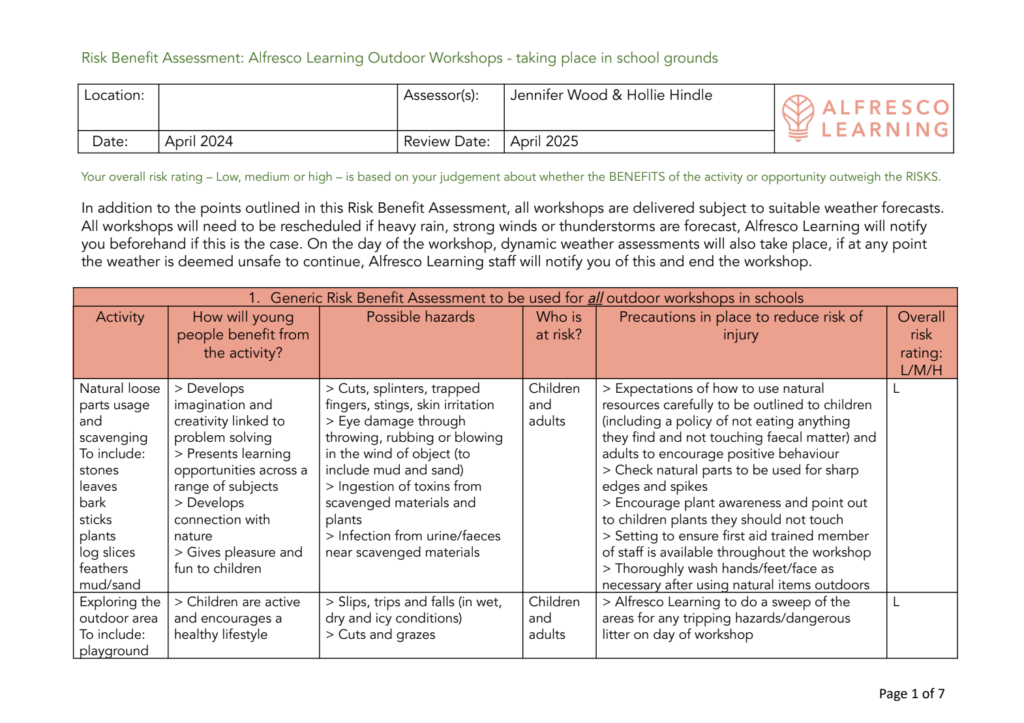
We want to share a better way of risk assessing with you, it’s called a risk benefit assessment (or analysis).
This form of assessment provides a balanced view of the risks vs benefits and weighs them up in order to see
whether an activity is worthwhile.
Why you need a risk benefit analysis at your setting:
A risk benefit assessment makes your motivation to go outdoors clear
One of the most prevalent reasons for using a risk benefit assessment is because it highlights the importance
ofwhy you are taking the children outdoors in the first place. Maybe you know that learning outdoors is vital
to children’s development, but do the rest of your staff understand this? When using a risk benefit
assessment, the focus shifts from solely being the risks, to the benefits of the outdoor activities. This
document empowers educators; enabling them to clearly state what their class will miss out on if they don’t
go outdoors!
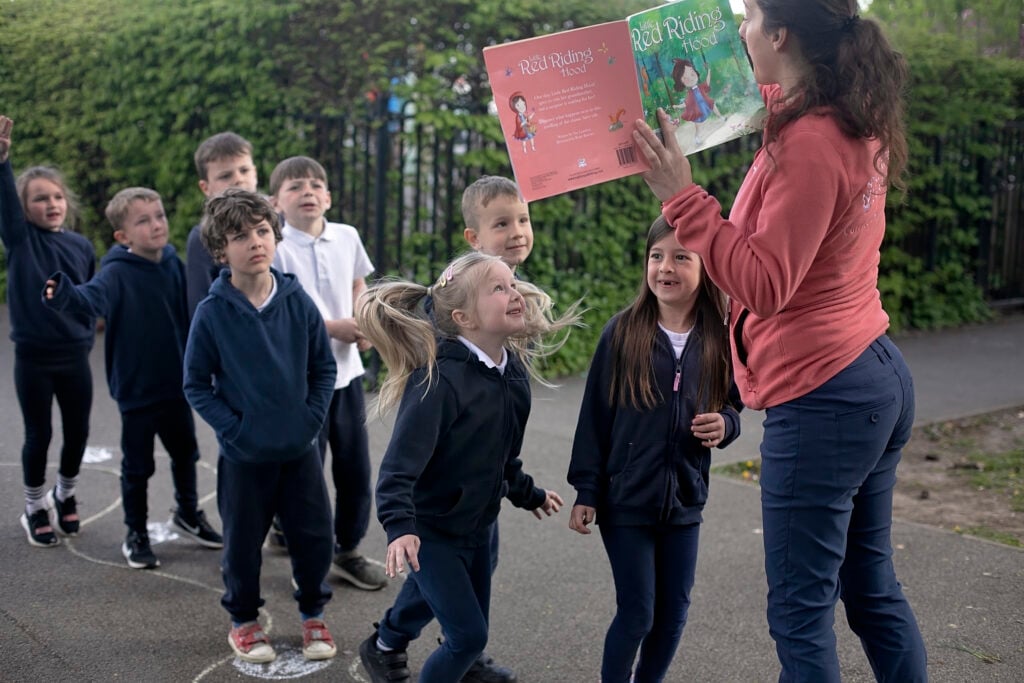
It puts the risks of outdoor learning into perspective
Typical risk assessments can seem overwhelming because they focus purely on everything that could go
wrong. The risk benefit assessment still covers those risks but also states the benefits of being in the outdoor
environment. When tallied against the benefits, the risks of such learning seem smaller and manageable,
without taking away the learning intention. Giving you the encouragement to provide new learning
opportunities for the children! This method of risk assessing will also instil confidence and passion in those
more reluctant members of staff as the benefits of going outdoors brings the risks of the outdoor lesson into
a more proportionate view.
Risk benefit assessments make cross-curricular learning clear!
Another asset of using this document is the fact that it highlights cross-curricular links so clearly. It provides
the perfect evidence for curriculum coverage. For example, if you were using string to tie sticks together to
recreate a character’s house; the risk benefit assessment would state links with D&T, mathematical thinking
and English. It would also state key skills such as fine motor development, hand-eye coordination and
communication. When cross-curricular links, learning intentions and skill development opportunities are
clarified together, the risk benefit assessment document becomes very motivating to both create and read,
as you realise the wealth ealth of opportunities available outdoors.
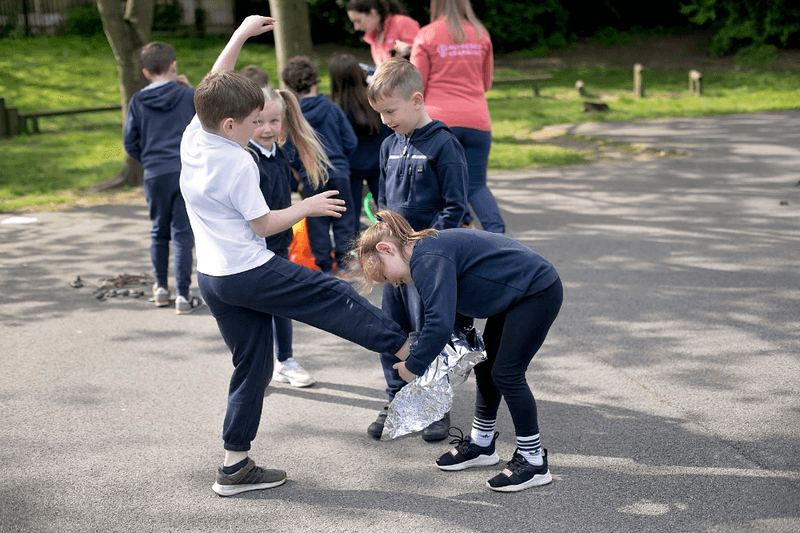
It encourages children to manage their own risk.
Completing a risk assessment in atraditional way, while perfectly safe for children, can bring in our
subconscious bias and in some cases, stop us from allowing children to explore risk. The role we have as
educators is an important one. We must ensure that the children we teach are ready to encounter the world
beyond the classroom, and this includes managing risks in the outdoor environment.
A risk benefit assessment puts us into a more balanced state of mind, enabling us to open up the
conversations with children surrounding managing the risks of going outside. Having discussions around
safety is much more effective than simply sharing the ‘do’s and don’ts’ as it allows children to think about the
consequences of their actions. Repeating these discussions will teach children what to avoid, build their
confidence outdoors and therefore strengthen their connection with nature.
Conclusion
Yes, some of these points, such as children managing their own risk, could be achieved through a standard
risk assessment with the right intention. However, we have found through our discussions with teachers that
if an activity seems too risky outdoors, staff are, understandably, likely to give it a miss. Using a risk benefit
assessment brings balance to the forefront and provides a way forward to promote more outdoor learning.
The only thing left to do now is to complete a risk benefit assessment for your outdoor teaching! Download
our free template that we use ourselves to assess and manage the risks and benefits for our outdoor
workshops. And if you’d like to go deeper into implementing curriculum outdoor learning, take a look at our training options.