
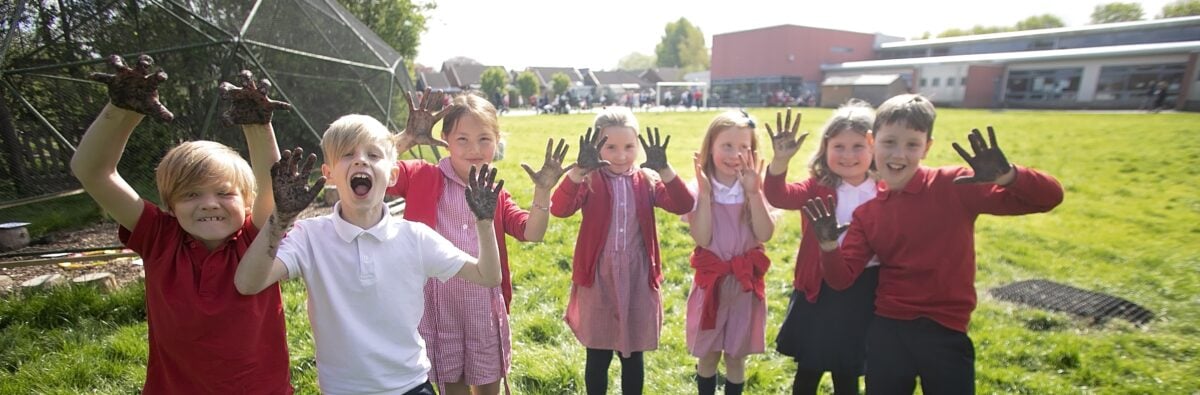
Outdoor Transition Activities Made Simple
When we think about what our children need to gain from their transition days, the list can get complex quite quickly. But the underlying theme across transition is building connections. The outdoors is the perfect place to begin building these relationships, as it feels a little less formal for children, enabling them to show you their true selves, which allows you to get to know them better much more quickly.
Why take your transition day outside?
There are many reasons to include some outdoor activities in your transition days, but our top three are:
- Communication
Did you know studies have shown children say five times more words outdoors than inside? We all know that communication is key when building new relationships. Providing an environment where your new class can speak more freely will certainly support transition. - Mental well-being
Natural spaces support our brains in managing our emotions. For little minds who are taking in a lot of newness, this could be beneficial in helping them process all the new changes. - Setting expectations
If you’re planning on taking some of your lessons outdoors next year, incorporating some outdoor activities in your transition days will make introducing them to outdoor learning next year a quicker process.
The best place to get your outdoor activities for transition is The Alfresco Hub, with our outdoor transition activity pack, the perfect starting point for transition day with your new (or existing!) class. Inside The Hub we also have curriculum-linked outdoor lesson plans for Early Years to Key Stage 2 and a whole host of other fun activity packs too.
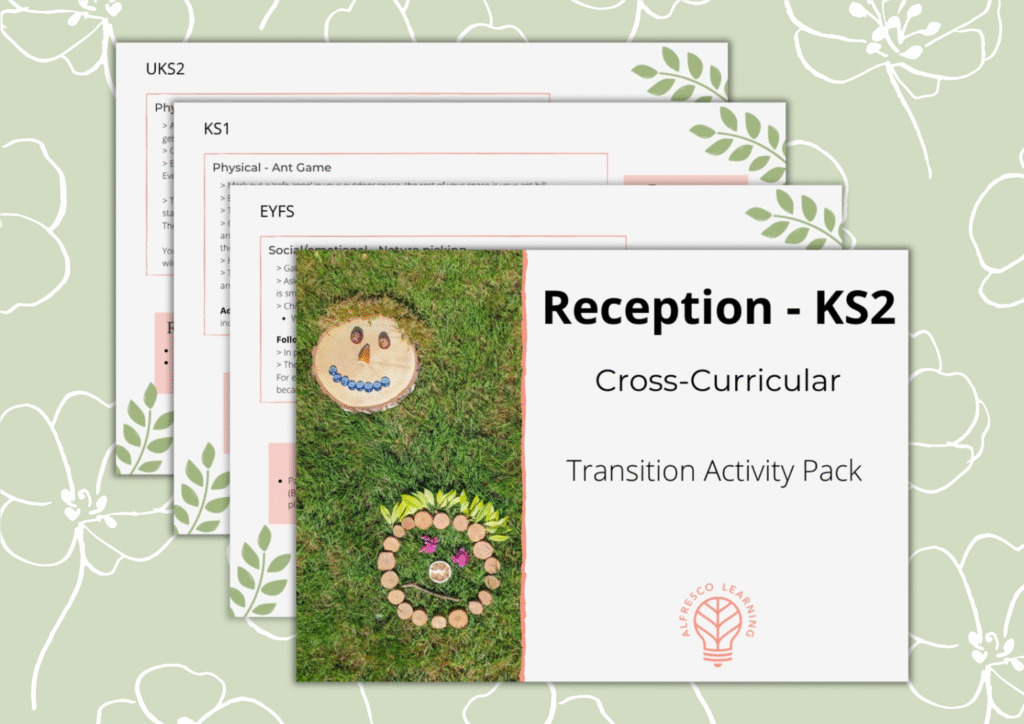
However, we love to give back where we can to the teaching community so in today’s blog post we have provided a range of short burst activity ideas to give you some FREE outdoor inspiration for transition day!
Have fun getting to know your new class while supporting their emotional well-being through the outdoors!
Try These Outdoor Transition Activities
Mud faces (all ages)
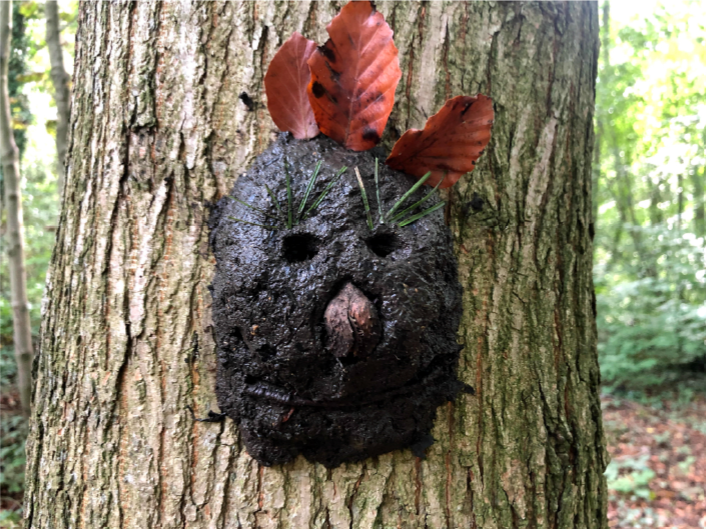
Using mud (we recommend using sterilised topsoil) and natural items from your outdoor area, have each child create their own sticky mud face. Take a photograph of each one and put it on display in the classroom. Not only do they look great, but it will remind the children of how much fun they had with you, to help calm their nerves on their first day back in September.
For the mud:
- Use a bag of topsoil from a garden centre.
- Put it in buckets or trays.
- In groups, children mix in water to the desired consistency. (It’s best if you keep hold of the water to avoid too much being used.)
- When the mud can be squeezed and holds its shape, it’s ready to stick on any outdoor surface.
How awesome would it be if the whole school did this across your outdoor space?
Den building (KS2)
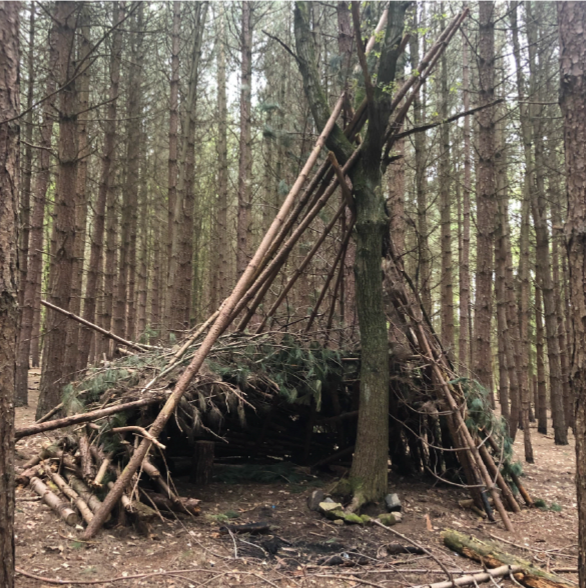
You might be thinking, “hang on a minute, that’s a lot of resources”, but stick with us here. Den building doesn’t have to be all natural branches like the image above. Dens can be made out of almost anything.
Have your class bring items outdoors from your classroom, like cushions from your reading corner, a couple of chairs, spare tubes of display paper, pegs, bulldog clips, string (anything that could be used really.)
Then head down to Early Years and see if you can borrow some of their large-scale construction for a morning or afternoon.
Give your Key Stage 2 children some free time to construct their dens. You’ll need supervision for safety, and we recommend checking your school has a den-building risk assessment in place first. But it’s amazing to watch Key Stage 2 children pull together, and you’ll learn so much more about their personalities in the process.
Bubble wands (Early Years and Key Stage 1)
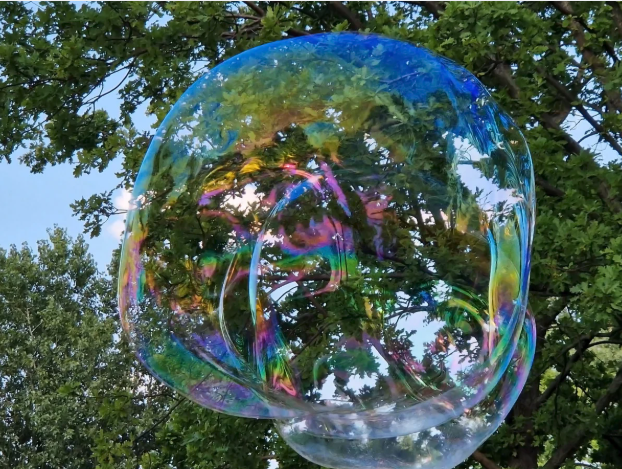
Using sticks and pipe cleaners, children can make their own bubble wands.
- Simply choose a stick.
- Select a pipe cleaner.
- Bend it into your desired shape, and attach it to your stick.
- Tada! You have a bubble wand.
Provide a tray of washing-up liquid and water (Fairy Liquid works best) and give the children time to explore making bubbles.
You could challenge them to make wands of different shapes and see how it changes the bubbles they make.
Raft challenge (Key Stage 2)
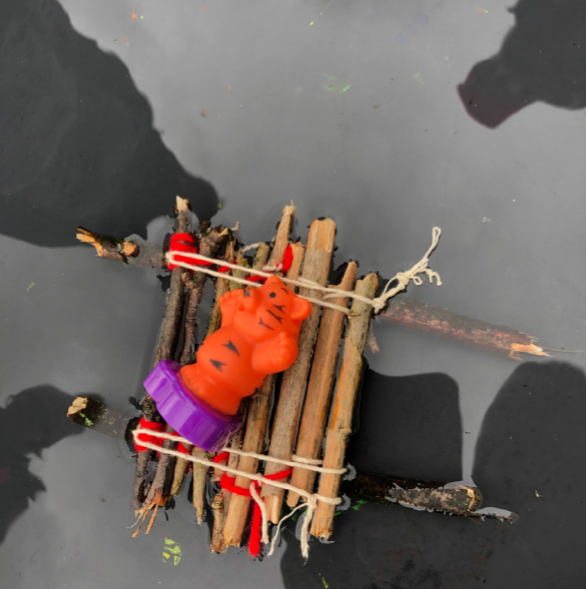
- Grab a tuff spot or two from Early Years and a few small figures.
- Fill the tuff spot with water and put the children into groups, giving each group a small figure.
- Challenge them to build a raft to get the figures across the tough spot, providing only string and scissors. Everything else has to be foraged.
- Sit back and learn all about the dynamics of your new class and see the joy on their faces when the raft floats on the water.
Leaf rubbing pictures (all ages)
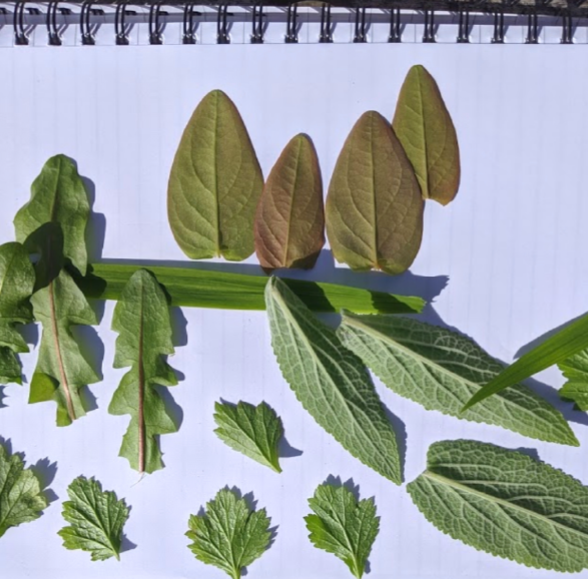
- Collect natural items from your outdoor space.
- Place them on a clipboard to create an image. This could be a favourite animal, a favourite place, or a self-portrait.
- Place a piece of paper over the top and use crayons to create rubbings of the natural items underneath.
- Take some time to admire everyone’s work and have them share what they created and why.
- Display the pictures in your classroom to remind the children of the time they spent outdoors with you!
Paper lanterns (Key Stage 1 and Key Stage 2)
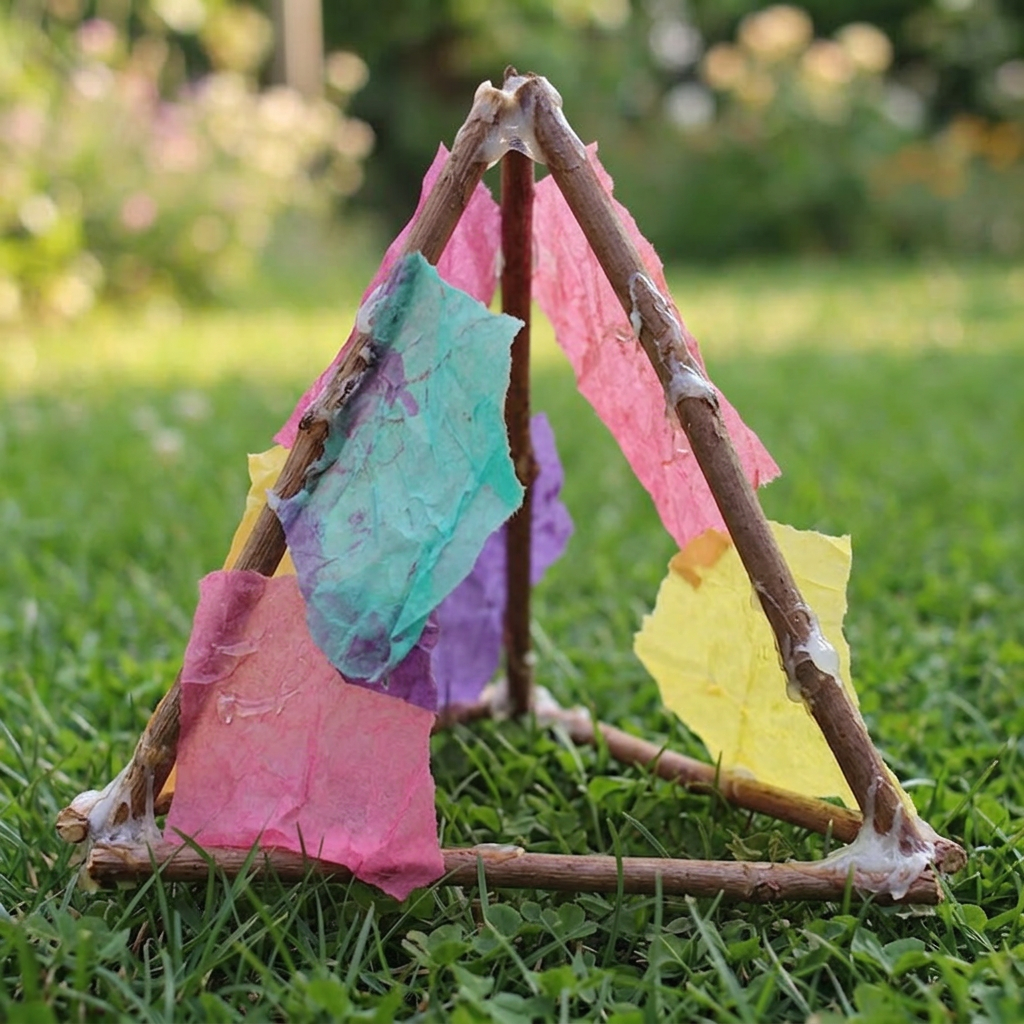
- Collect some sticks and provide masking tape.
- Build different 3D shapes with the sticks.
- Add additional sticks to the frame to create a canvas for tissue paper to stick on to.
- Using PVA glue and water, stick sheets of tissue paper to the outside.
- Leave them to dry in the sun.
- Display them in your classroom.
Why you should consider taking transition days outdoors
The main concept behind taking your transition outdoors is to allow children space to interact, so you can get to know them better. These kinds of activities also enable children to share their strengths and skills in different areas, not just academics. Some children might be excellent leaders or problem solvers, others may be great negotiators or planners. These are all skills we need our children to possess inside the classroom, but not ones we often get time to assess. Understanding these dynamics of your new class can help you get off to a more successful start in September.
By spending some time outside, you can also see where children might need to build a few more skills to access their learning. If you understand the concept of curriculum outdoor learning, you’ll know that you can plan these skills into your outdoor lessons through different activity types, whilst getting stuck into the curriculum, enabling your class to thrive throughout the year ahead.
Looking to embrace more outdoor learning next year?
Let us help you! The Alfresco Hub provides 100’s of curriculum linked outdoor lesson plans to save you time and ensure that your outdoor lessons deliver effective teaching & learning. Our free sample lesson plans are available to download now and give you a taste of what’s available inside. Click the button below to get your hands on them & start planning a year of outdoor learning!